Modes
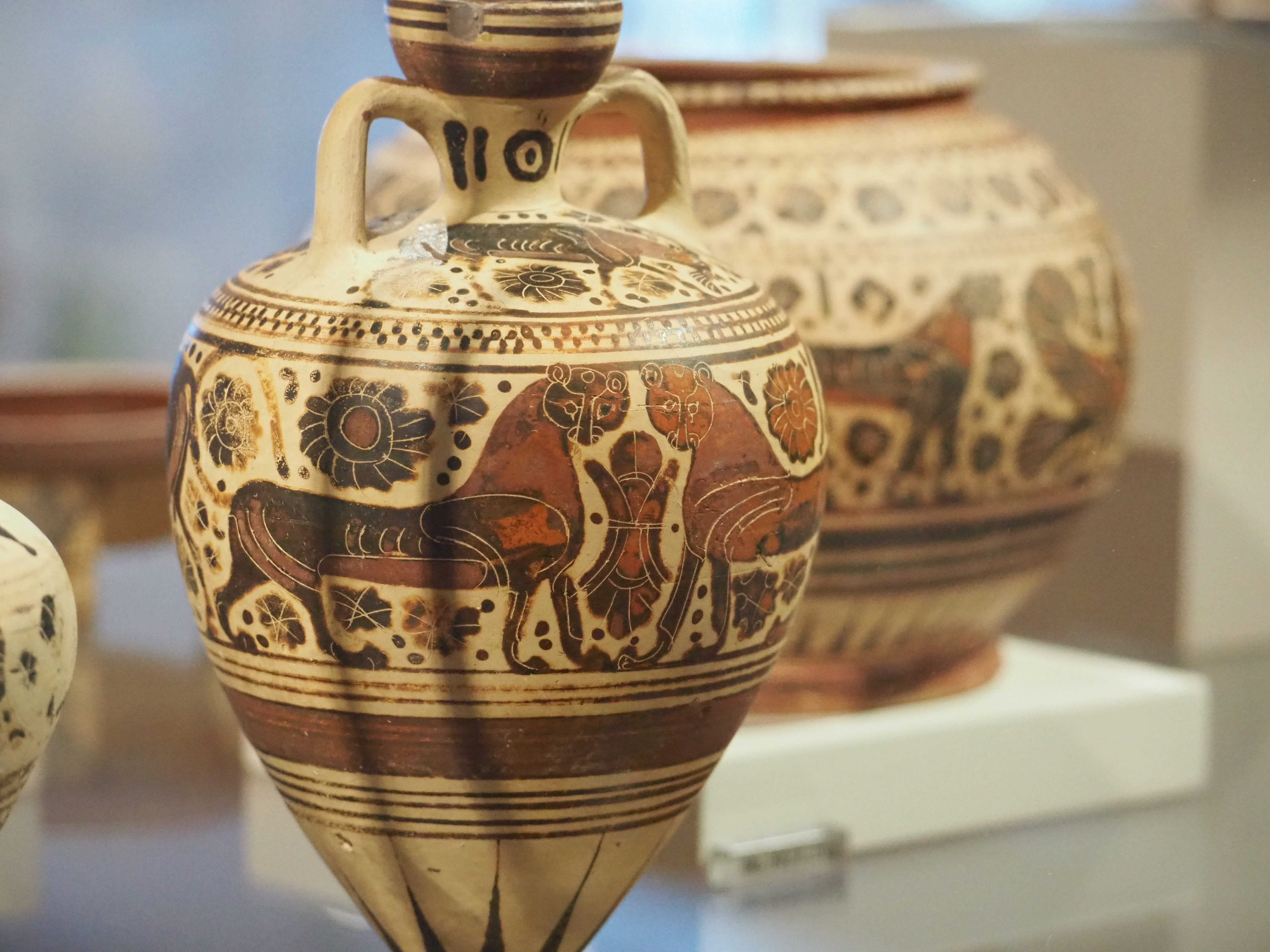
Corinthian amphoriskos. 575-550 BCE. Before the Athenian craftsman was master the Mediterranean pottery trade was dominated by the Corinthians armed with an "oriental" style. This meant abundant floral adornment, exotic animals like lions and panthers, and a energy of movement not quiet achieved with the Geometric style.
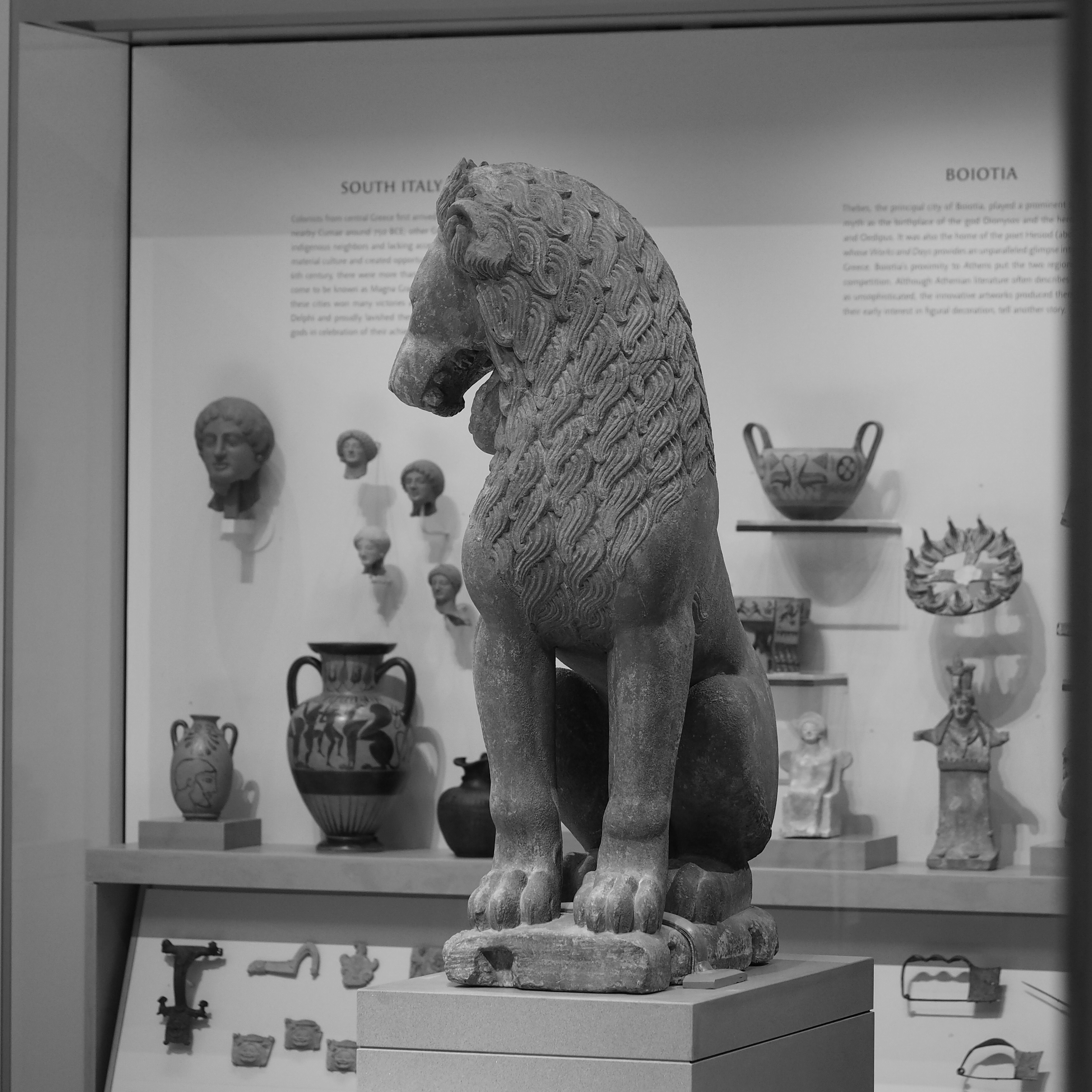
The lion was a favorite subject of the Greek stone carver. In relief or in the round, relaxed or in motion, playful or menacing, the Greek never tired of sculpting these beasts.
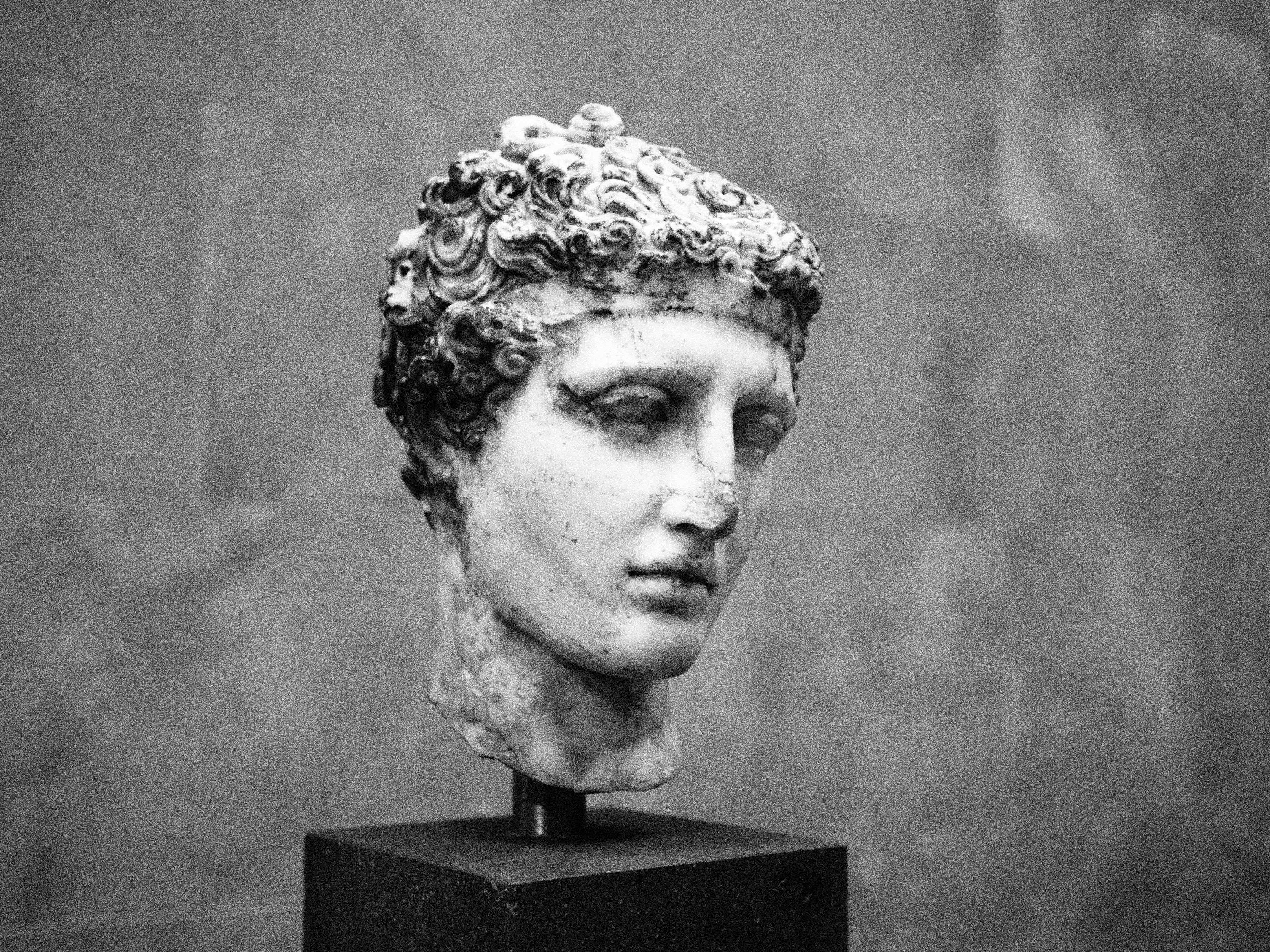
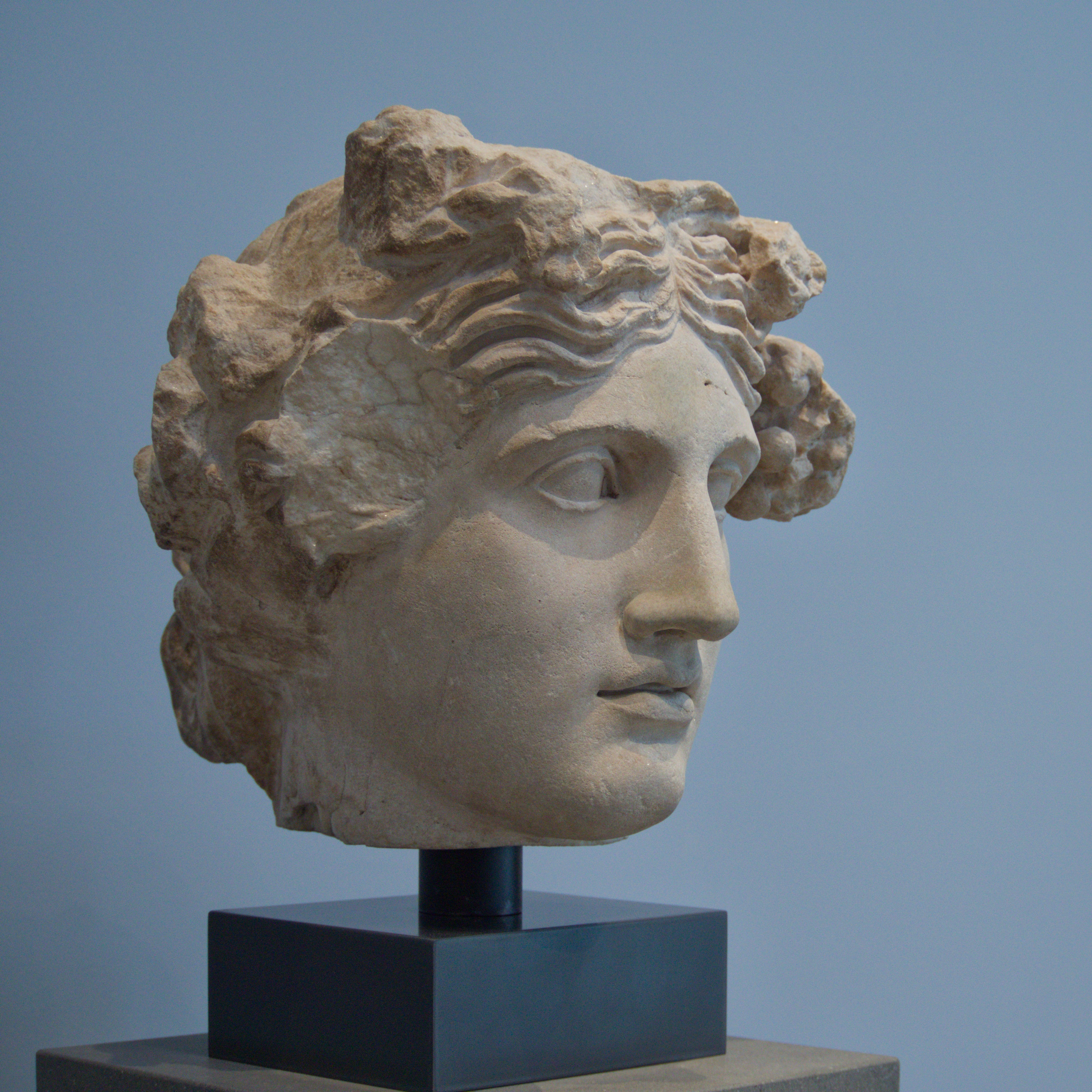
Roman copy of a Greek head. The fillet around his forehead tells of the boys athletic victories.

A kempt beard, a pair of graceful lips, and a proportionate nose are all it takes to prove Herodotus the greatest propogandist in all history. Surely, this Persian was a greater Man than you or I.
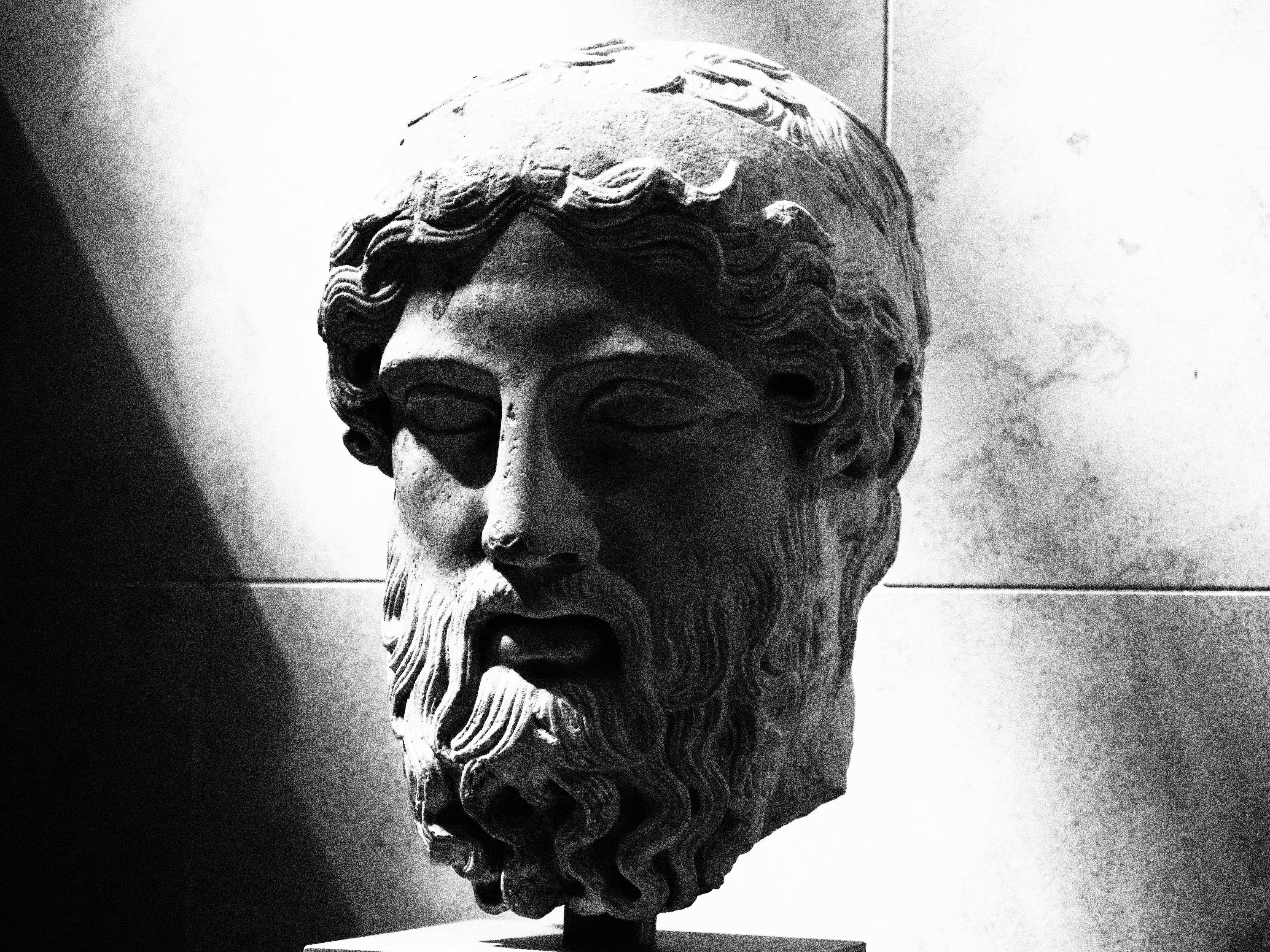
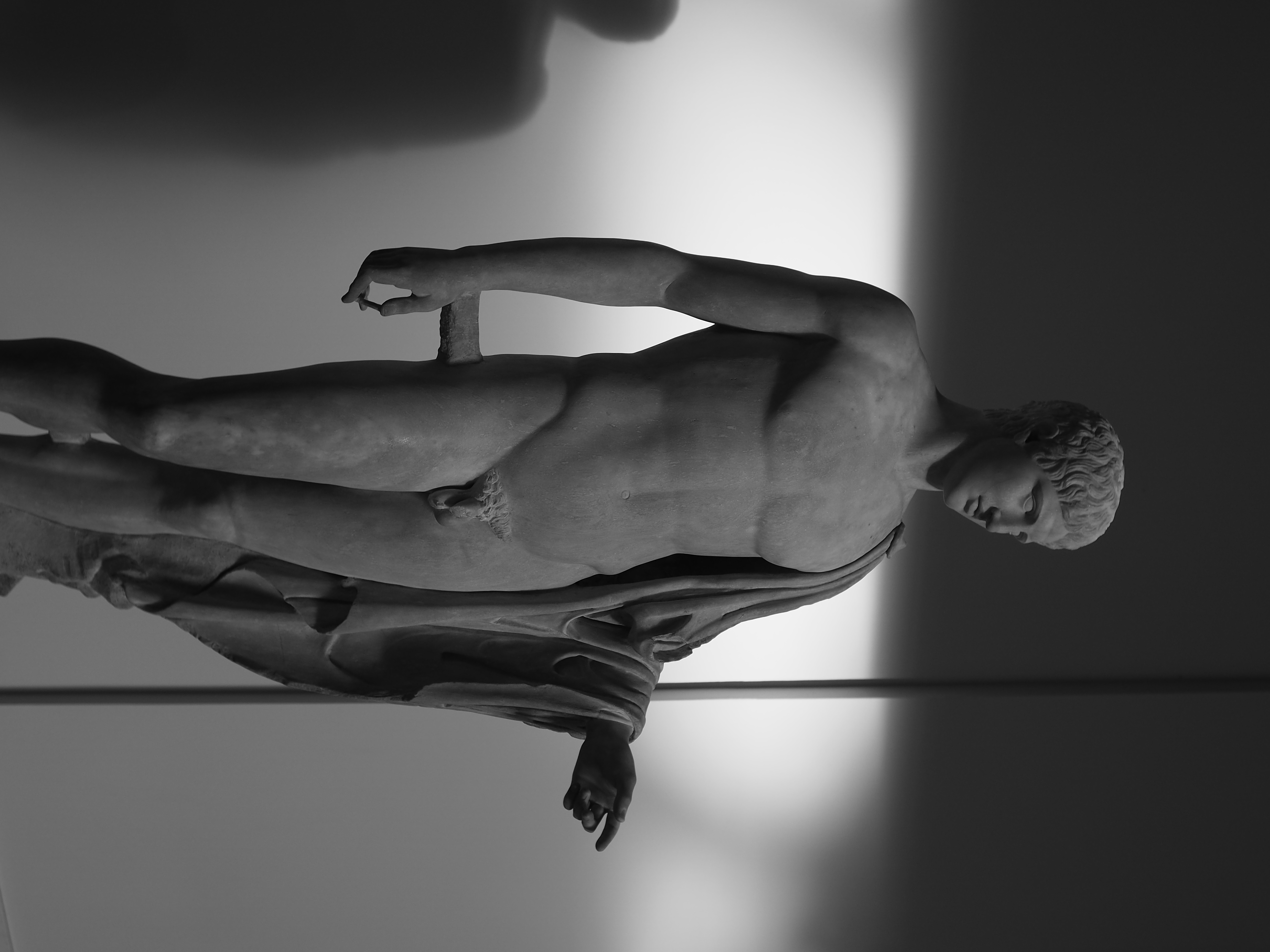
Roman Copy of a Classical Greek Herm he.
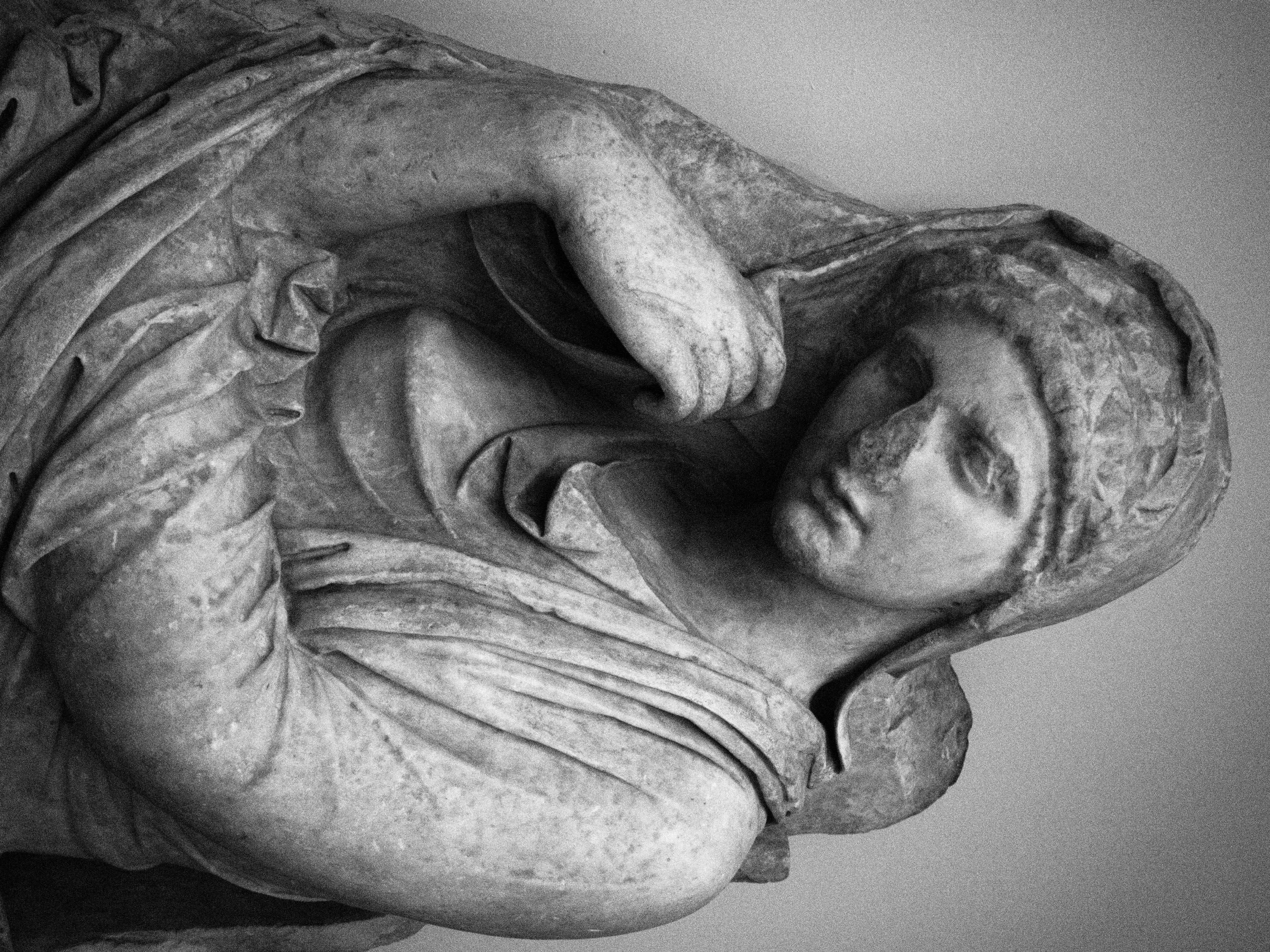
Out of all the Classic treasures in New York, this grave stele is perhaps the most human. Carved virtually in the round, sublime is the only word that readily comes to mind to describe it. Who was this woman? She must have been well respected and loved to deserve a work of this magnitude. Whoever it was who solicited this work made sure to find a master to complete the task. Her grace is made material with a slight bend of the wrist and her modesty is kept in tact under her shawl. She leans forward not to talk, but to listen. This rock beckons you closer. She must have been a kind woman - stately in her matriarchy.